
Textbook: Unit 8 (printed pp. 106–117)
0. Introduction
After the fall of Kotte and Seethawaka, the Kandyan kingdom protected the country's independence until 1815, facing challenges no earlier kingdom had faced.
8.1 Beginning and Expansion
- Names: Senkadagala Nuwara, Udarata Rajadhaniya, Kande Nuwara, Mahanuwara Rajadhaniya. Capital Kandy (Mahanuwara) – naturally protected by the Mahaweli river and the Balana and Hunnasgiriya ghats; cool climate, fertile land.
- Under Parakramabahu VI, Kandy was a provincial unit of Kotte. Senasammatha Vikramabahu (1469–1511) made it independent → founder.
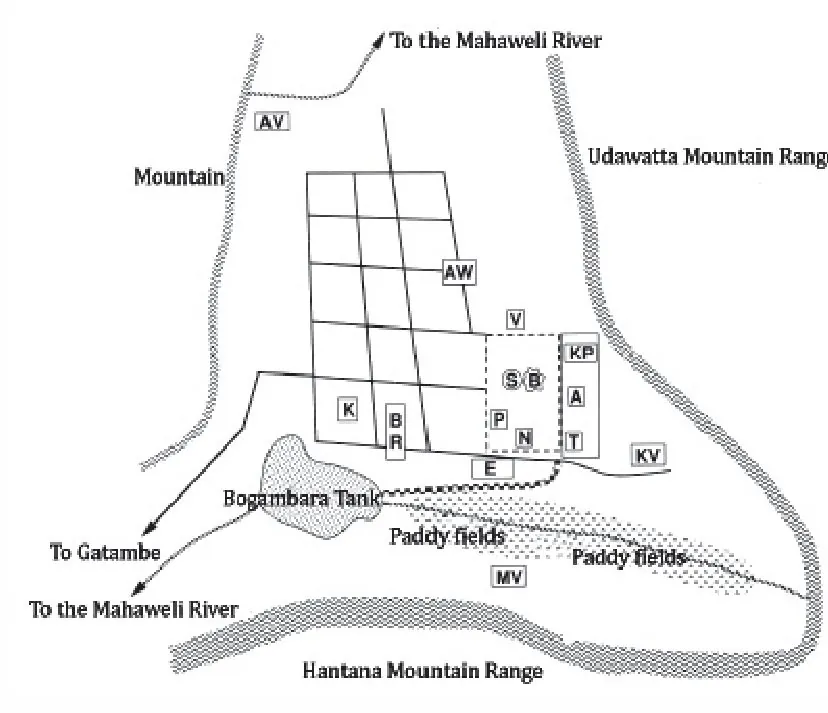 Plan 8.1 – Plan of the old city of Kandy (T – Temple of the Tooth, A – Magul Maduwa, N – Natha Devalaya, P – Pattini Devalaya, V – Vishnu Devalaya, K – Kataragama Devalaya, AV – Asgiri Vihara, MV – Malwatta Vihara, KP – King's Palace, BR – Army Brigade House, B – Sacred Bo tree, S – Stupa, AW – Adhikaram Manor House, KV – Kumaruppe Street)
Early rulers
| King | Dates | Key points |
|---|---|---|
| Senasammatha Vikramabahu | 1469–1511 | Founder |
| Jayaweera Bandara | 1511–1551 | Friend of Mayadunne of Seethawaka; supported him in Vijayaba Kollaya against Vijayabahu VI of Kotte |
| Karaliyadde Bandara | 1551–1581 | Friendly with Portuguese; chieftains unhappy; Rajasinghe I (supported by Peradeniye Veerasundara Bandara) invaded 1580; Karaliyadde fled to the Portuguese with daughter Kusumasana Devi (Dona Catherina) and son-in-law Yamasinghe Bandara (Don Philip) |
| Rajasinghe I | 1581–1591 | Ruled Kandy from Seethawaka; killed Veerasundara Bandara; his son fled to Portuguese – Don Juan of Austria |
| Portuguese plan | – | Sent Yamasinghe Bandara; he died; Konappu Bandara (Veerasundara's son) seized power with Kandyan support → Vimaladharmasooriya I |
Vimaladharmasooriya I (1592–1604)
- Challenges: no legal royal inheritance; Portuguese threat; Seethawaka influence; decline of Buddhism; economy.
- Establishing his right: married Kusumasana Devi (legal heir); gave up Catholicism, became Buddhist; Buddhist name; brought the Tooth Relic from the Delgamu temple to Kandy.
- Against Portuguese: Battle of Danture (1594); supported lowland rebellions; sought Dutch help.
- Buddhism: brought Upasampada from Myanmar (Burma); repaired Lankathilaka, Ridi Vihara, Gadaladeniya.
- Economy: agriculture, cotton, iron and steel at Kotmale and Walapane, nitre industry. Died of fever 1604.
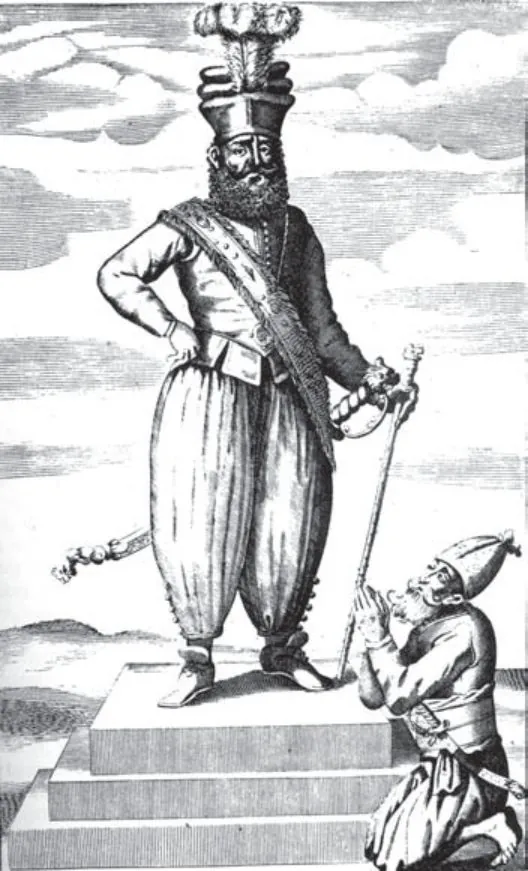 Fig 8.1 – Drawing of King Rajasinghe II by Robert Knox
Senarath (1604–1635)
- Cousin of Vimaladharmasooriya I; married Kusumasana Devi; divided the kingdom among three princes: Uva – Kumarasinghe; Matale – Vijepala; Kandy – Rajasinghe (Maha Asthana).
- Battle of Uva–Randeniwela (1630): Maha Asthana destroyed the Portuguese.
Rajasinghe II (1635–1687)
- Challenges: Portuguese attacks, expelling them, chieftains, Dutch influence.
- Gannoruwa battle (1638) – defeated the Portuguese; asked the Dutch for naval help – Portuguese expelled in 1658, but the Dutch took their coastal areas. Dutch seized parts of Kandy 1665–1668; Rajasinghe II reclaimed them 1670–1675. Held ports Kalpitiya, Chilaw, Trincomalee, Batticaloa. Ruled over 50 years; died 1687.
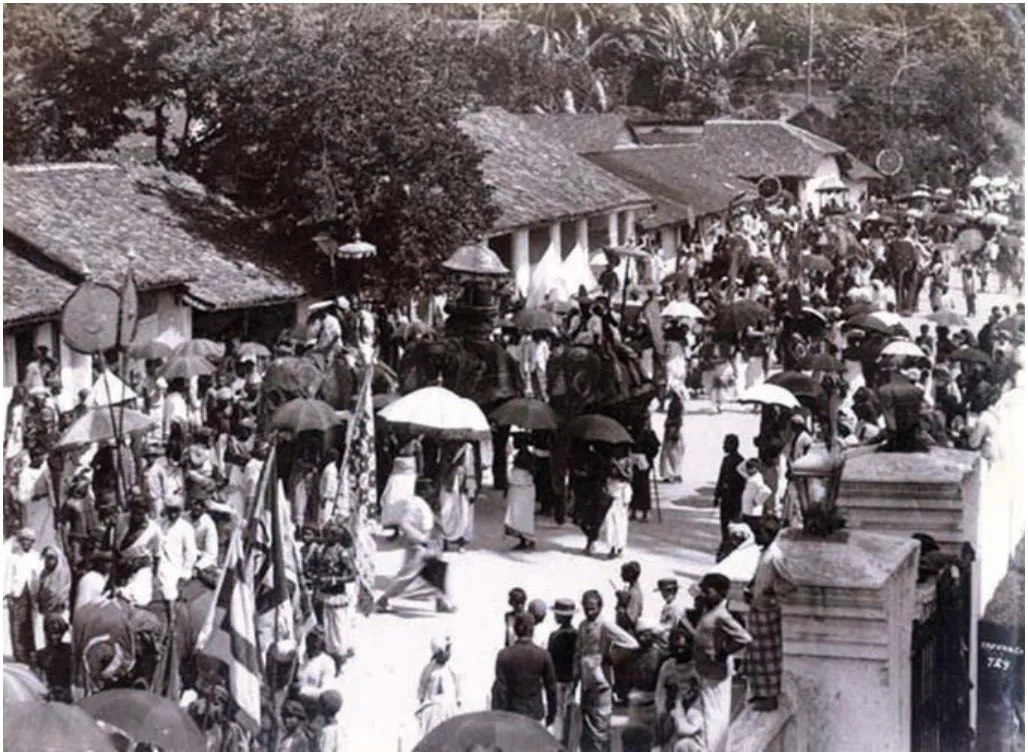 Fig 8.2 – Rare 19th-century photograph of a Kandyan pageant and street
Later kings
| King | Dates | Key points |
|---|---|---|
| Vimaladharmasooriya II | 1687–1707 | Weaker; chieftains grew; peace with Dutch; again brought Upasampada from Burma; repaired the Temple of the Tooth |
| Sri Veera Parakrama Narendrasinghe | 1707–1739 | Weak in administration; married South Indian princess; no heir – queen's brother succeeded |
| Nayakkar dynasty – Sri Vijaya Rajasinghe | 1739–1747 | Queen's brother; appointed relatives to the council; tried to bring Upasampada (failed) on Weliwita Saranankara Thero's advice |
| Keerthi Sri Rajasinghe | 1747–1781 | Came to the throne at 16 (father Narenappa Nayakkar interfered); Upali Thero from Thailand → Siyam Nikaya; made Saranankara Sangharaja; Dutch war 1760–65; peace 1766 |
| Rajadhirajasinghe | 1781–1798 | Brother of Keerthi Sri; British seized the coast in 1796 |
| Sri Vickrama Rajasinghe | 1798–1815 | Made king by Maha Adikaram Pilimathalawe; English invasion repelled in 1803; cruelty in later years; captured Feb 1815 and exiled to Vellore; Kandyan Convention (March 1815) gave the kingdom to the British |
8.2 Administration
- King at top; two Adikarams (Maha Adikaram = Pallegampaha; second = Udagampaha); royal council with Adikarams, Disawes, Maha Lekam and Badde Lekam.
- Three divisions: palace service (Maha Vasala Sevaya), provincial rule (Rata Wasama), Badde (tax/craft structure) and temples/devalas.
- King's powers: highest authority; keep peace and protection; follow tradition; highest court, could order death; priority in all affairs.
- Katupulle messengers – carried Adikarams' orders; symbol silver-ringed cane with bent top.
- Palace officers: Gajanayaka Nilame, Maha Lekam, Maha Gabada Nilame, Diyawadana Nilame, Halu Wadana Nilame, Bath Wadana Nilame, Asapanthiye Muhandiram, Kavikara Maduwe Muhandiram.
- Provinces: 21 divisions – 9 Ratas near Kandy (Udunuwara, Yatinuwara, Tumpane, Harispattuwa, Dumbara, Hewaheta, Kotmale, Uda Bulatgama, Pata Bulatgama; officer Rate Rala/Rate Mahatmaya, under him Liyana Rala, Undiya Rala) and 12 Disawes (Hathara Korale, Hat Korale, Uva, Sabaragamuwa, Matale, Walapane…; officer Disawe). Disawe → Korale → Pattu; Muhandirams (by caste), Vidanes (village).
- Badde structure: Madige (transport), Kuruwe (elephant catching), Badahela (pottery), Rada (washing), Handa (weaving); later under Disawes.
- Temples: Mahanayake and Anunayake Theros; Dalada Maligawa through Diyawadana Nilame.
- Judicial: king highest; reserved cases – important leaders, temples/monks, riots, treason, conspiracy. Punishments: beating, expulsion to Rodiya groups, fines, drowning, Dandu Kanda, cutting hair, whipping, trampling by elephants, thrashing with Ipala, imprisonment.
8.3 Economy
- Agrarian, consumer-based and self-sufficient; limited paddy land (hills; decline of irrigation); paddy terraces on slopes; much chena (kurakkan, amu, maize, wheat, yams, sweet potato); home gardens (jak, breadfruit, pepper, cardamom, areca, fruits); industries – iron, wood, metal, lacquer, reed; animal husbandry; barter.
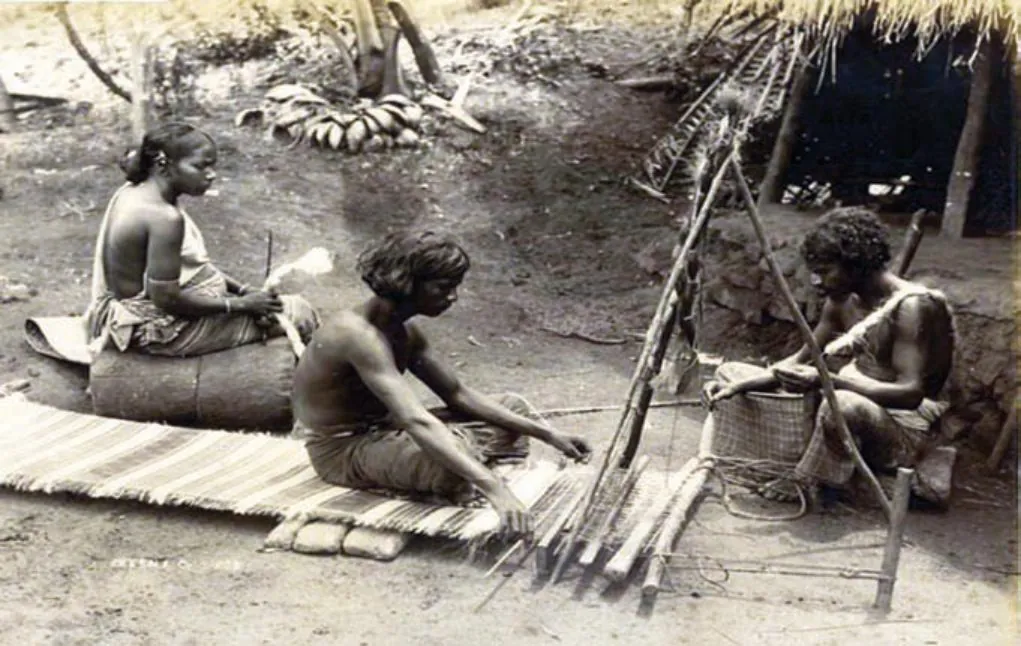 Fig 8.3 – A 19th-century family weaving mats
8.4 Social organization
- King owned all land. Land types: Gabadagama (palace), Nindagama (aristocrats for service), Viharagama, Devalagama, Paraveni (villagers' hereditary land).
- Service system: Rajakariya.
- Self-sufficient villages; caste-based society; temple centre of life.
- Marriages: Deega (bride goes to groom's house), Binna (groom lives in bride's house), Eka Geyi (polyandry – one wife for brothers).
Important Facts
- Last kingdom of Sri Lanka; dealt with Portuguese, Dutch and British.
- Nayakkar dynasty (South Indian) from 1739.
- 1815 – Udarata (Kandyan) Convention signed by Governor Robert Brownrigg and Kandyan chieftains → ended the kingdom.
Timeline
| Date | Event |
|---|---|
| 1469 | Kandyan kingdom founded |
| 1580 | Rajasinghe I captures Kandy |
| 1592 | Vimaladharmasooriya I |
| 1594 | Battle of Danture |
| 1630 | Uva–Randeniwela |
| 1638 | Gannoruwa |
| 1658 | Portuguese expelled |
| 1739 | Nayakkar dynasty |
| 1766 | Peace with Dutch |
| 1796 | British take coast |
| 1803 | British invade Kandy |
| 1815 | Kandyan Convention |
Exam focus
- Greatness of Vimaladharmasooriya I and Rajasinghe II.
- Administrative structure (Adikarams, Disawe, Rate Rala).
- Land tenure and Rajakariya.
- Causes of the fall (see unit text: weak kings, chieftain power, British intrigue).
Map notes
Kandy (Mahaweli), Balana and Hunnasgiriya ghats; Danture; Uva-Randeniwela; Gannoruwa; ports Kalpitiya, Chilaw, Trincomalee, Batticaloa.