
100%
Textbook: Unit 9 (printed pp. 118–126)
0. Introduction
- Renaissance = "rebirth": the wide transformation in art and science in Europe from the 14th to 16th centuries A.D.
- Pristine (classical) age – ancient Greek and Roman civilizations. Mediaeval period – about 1000 years after Rome fell in the 5th century. In the late mediaeval era interest in Greek–Roman literature, art and philosophy revived → modern era began.
9.1 Reasons for the Renaissance
| Reason | Explanation |
|---|---|
| Fall of Constantinople (1453) | The Turks captured the city where Greek and Roman books and scholars were; scholars fled to other European cities with manuscripts and spread classical learning |
| Growth of trade and a new rich class | From the 12th c. East–West trade enriched Venice and Genoa; wealthy people independent of feudal nobles supported art. Italy's small states encouraged patronage. Medici family of Florence is a key example |
| Intellectual revival | New educational centres (after the 12th c.) taught ancient literature, drama, phonetics and history, not only theology, philosophy and law. Gutenberg's printing machine (1454) made books abundant |
| Criticism of Church dominance | Worldly priests were criticised by John Wycliffe (England), John Huss (Bohemia), Erasmus, Martin Luther (Germany) |
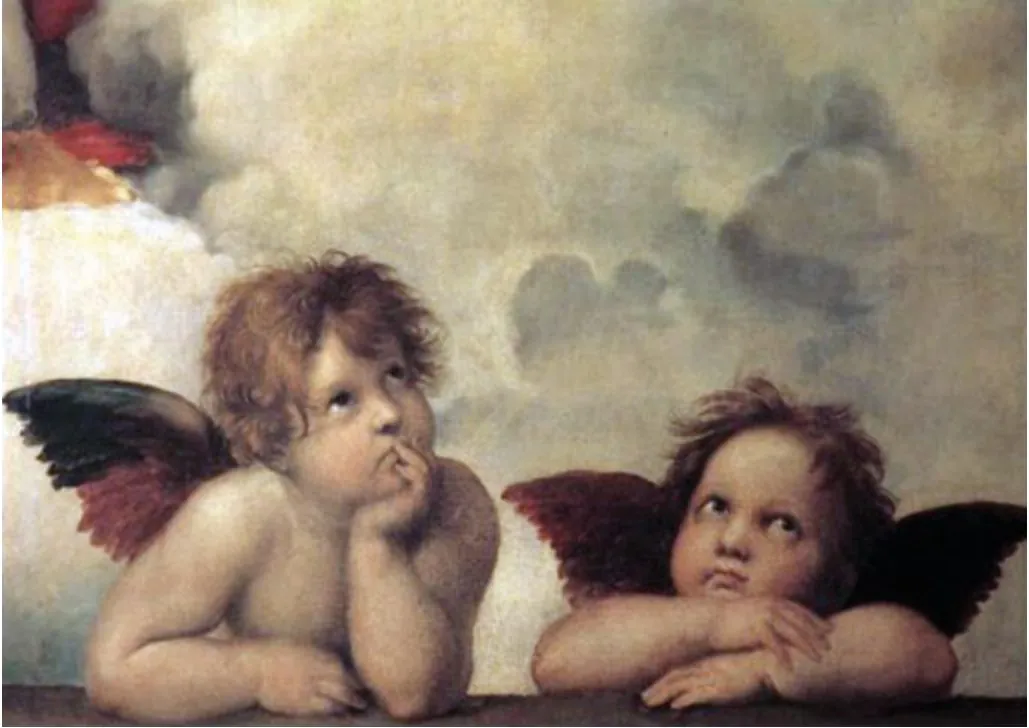 Fig 9.1 – Painting of two divine children in the Sistine Chapel by Michelangelo
How the Renaissance transformed Europe
Academic Renaissance (15th c.)
- Language and literature: Latin and Greek were revived (Greek was a "dead" language); local tongues declined for a time. Greek drama attracted interest. Authors: Dante (Divine Comedy), Petrarch (Sonnets to Laura), Boccaccio (Italy); Sir Thomas More, Francis Bacon, Shakespeare (England); Erasmus (France).
- Humanism: man regarded as noble; humanistic subjects (literature, history, art, law, ethics) replaced theological ones; critical thinking.
Arts and crafts
- Mediaeval craftsmen were organised in grades and art was religious (church patronage). Renaissance artists worked independently as individuals under rich patrons; worldly themes, nude figures, portraits of wealthy people.
- Painting (Florence centre): Leonardo da Vinci (poet, musician, scientist, engineer; Mona Lisa, Last Supper), Michelangelo (Sistine Chapel ceiling, Last Judgement, Creation of Adam), Raphael, Masaccio, Botticelli.
- Sculpture: marble/alabaster works – Michelangelo's Pieta, Moses, David, tomb of Lorenzo de' Medici.
- Architecture: from pointed spires and pyramidal pillars (Gothic) to round arches, tall columns and half-round domes (Roman style). Examples: St Peter's Basilica, Florence Cathedral. Architects: Michelangelo, Leonardo, Raphael.
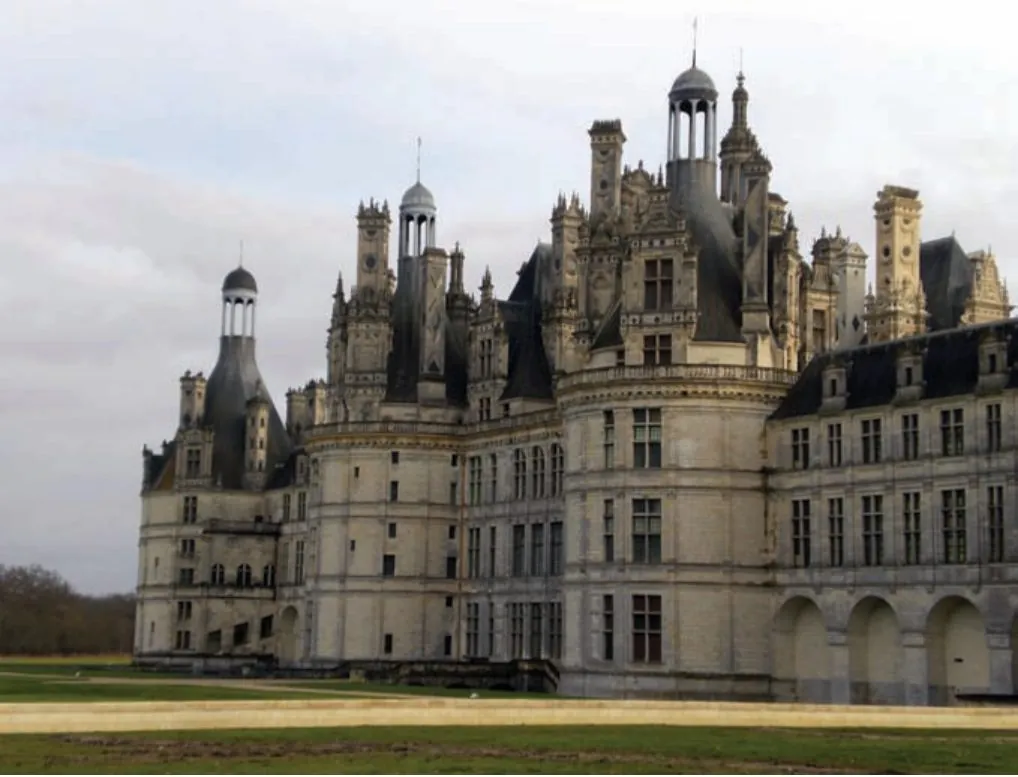 Fig 9.3 – A Renaissance-style residential building in France
Scientific advancement
| Scientist | Contribution |
|---|---|
| Nicolaus Copernicus (Polish) | Planets circle the sun ("father of modern astronomy") – (book text states earth round) |
| Isaac Newton (England) | Law of gravitation |
| Johannes Kepler (German) | Confirmed Copernicus; planetary orbits |
| Galileo Galilei (Italy) | Telescope; craters on the moon, moons of Jupiter; "father of experiment" |
| William Harvey (England) | Blood circulation |
| Paracelsus (Swiss) | Causes and remedies of disease; modern pharmacology |
| Michael Servetus (text: "Michael Certes") | Pulmonary circulation of blood |
| Johannes Gutenberg (German) | Printing machine |
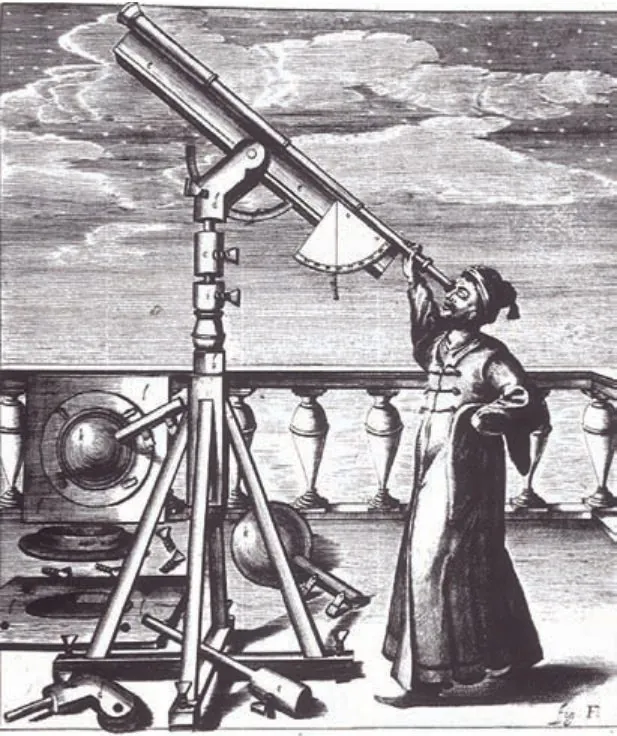 Fig 9.2 – Galileo examining the sky with his telescope
Political revival
- Feudal lords → national states united under one king; powers centred on the king. A middle class (traders, bankers, shipowners, caravan owners) grew and supported the kings; aristocrats lost power.
Economic revival
- Self-sufficient mediaeval economy declined; trade grew; national trade and tax policies; currency, cheques and banks developed; loans to businessmen; new sea routes brought spices, gold, silver, pearls, gems, elephants and tusks.
Discovery of new trade routes
- 1453: Turks closed trade routes. Helping factors: compass, knowledge that the earth is round, Ptolemy's world map, state sponsorship.
- Portugal and Spain led. Prince Henry the Navigator (Portugal) supported exploration.
- Bartolomeu Dias reached the southern cape of Africa, named it Cape of Storms (king renamed it Cape of Good Hope).
- Vasco da Gama reached Calicut (1498) – first sea route to Asia.
- Columbus (Spain; Ferdinand and Isabella) – West Indies; Amerigo Vespucci – America ("New World"); Magellan – Philippines; Cabot brothers – Canada.
Global trend
- Began in Florence, spread through Italy and Europe. Europeans established colonies in Asia, Africa and the Americas for about 450 years from the 16th century; printing, European thought, religion, architecture and science spread worldwide.
9.2 Influence of the Renaissance on Sri Lanka
| Field | Effects |
|---|---|
| Political | Kandyan kingdom independent until 1815 – little effect earlier; British rule 1815–1948 ended monarchy; introduced parliamentary government, new administrative officers replacing Adikarams/Disawes/Mohottalas/Korales; legal system on European lines (Dutch had introduced Roman–Dutch law) |
| Economic | Trade centres moved from Mediterranean cities (Venice, Genoa, Constantinople) to Atlantic countries (Portugal, Spain, France, Holland, England). Dutch grew cinnamon; British coffee, cocoa, cinchona, tea, rubber; self-sufficient village economy collapsed; import–export economy (even food imported); money use, railways and roads, cities Colombo, Galle, Trincomalee, new middle class |
| Social and cultural | Printing introduced by Dutch, popular under British (books, magazines, newspapers); students went to Europe; Reformation (1517) – Catholic (Portuguese) and Protestant (Dutch) faiths; European education system; church architecture |
Important Facts
- Renaissance began in Florence, Italy.
- 1453 (Constantinople), 1454 (printing), 1498 (Vasco da Gama in Calicut), 1517 (religious reformation).
- Renaissance became a global trend through colonialism.
Timeline
| Date | Event |
|---|---|
| 5th c. | Fall of Rome |
| 12th c. | Trade growth; new educational centres |
| 1453 | Turks capture Constantinople |
| 1454 | Gutenberg's printing press |
| 1498 | Vasco da Gama reaches Calicut |
| 1517 | Reformation |
| 1815–1948 | British rule |
Exam focus
- Reasons for the Renaissance.
- Contributions of Da Vinci, Michelangelo, Galileo, Copernicus.
- Why new sea routes were sought.
- Effects on Sri Lanka (political, economic, cultural).
Map notes
Florence, Venice, Genoa (Italy); Constantinople (Istanbul); Portugal and Spain; Cape of Good Hope; Calicut; West Indies; Philippines.