
Textbook: Chapter 3 (printed pp. 41–50)
0. Introduction
- After the 1848 struggle the independence movement had two phases: 1850–1915 national and religious renaissance; 1915–1948 political agitation.
- After 1815, traditional religions and culture faced obstacles → Buddhists, Hindus and Muslims awakened in the late 19th century.
3.1 Background of the National Renaissance
- While the Kandyan kingdom was independent, Portuguese and Dutch could spread religion only on the coast; after 1815 Western culture spread island-wide.
Missionary organizations
| Organization | Year arrived | Area |
|---|---|---|
| Baptist | 1812 | Colombo |
| Wesleyan (Methodist) | 1814 | North and East |
| London Missionary Society | 1804 (listed first) | – |
| American Mission | 1816 | Jaffna (North) |
| Church Missionary Society (CMS) | 1818 | Colombo, Galle, Kalpitiya, Mannar, Kandy |
- Methods: writing, preaching and education.
- Printing: learned Sinhala and Tamil; Bible translations; publications – Masika Thegga (1832, Church Missionary Society, Kotte/Uragasmanhandiya), Lanka Nidhanaya (1840, Religious Tract Society), and an 1842 Baptist publication (as in the text table).
- Education: mission schools with government assistance; English was needed for government posts, so Sinhala and Tamil children attended them.
3.2 Buddhist Renaissance
Needs: answer missionary criticism of image worship; improve native-language education (no government support).
Pirivenas
| Pirivena | Founder | Year / place |
|---|---|---|
| Parama Dhamma Chethiya Pirivena | Walane Siddhartha Thero | Ratmalana |
| Vidyodaya Pirivena | Hikkaduwe Sri Sumangala Thero | 1873, Maligakanda |
| Vidyalankara Pirivena | Ratmalane Dhammaloka Thero | 1875, Peliyagoda |
Printing presses
- Bulathgama Dhammalankara Siri Sumanathissa Thero got money from the King of Siam (Thailand) and set up Lankopakara Press, Galle, 1862.
- Others: Lankabhinava Visruta, Kavyakathika, Sudarshana, Sarasavi Sandaresa presses.
- Publications: Lakmini Pahana, Lankaloka, Sarasavi Sandaresa, Sinhala Jathiya, Sinhala Bauddhaya.
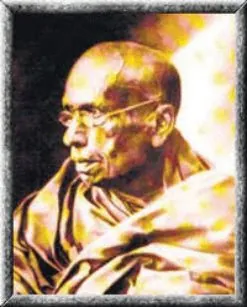 Fig 3.1 – Rev. Hikkaduwe Sri Sumangala Thero
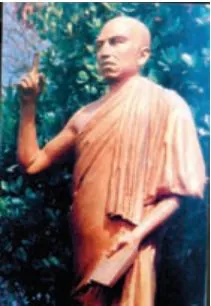 Fig 3.2 – Rev. Migettuwatte Gunananda Thero
Public debates – "Pancha Maha Vadaya" (Five Great Debates)
| Debate | Year |
|---|---|
| Baddegama | 1865 |
| Waragoda | 1865 |
| Udanwita | 1866 |
| Gampola | 1871 |
| Panadura | 1873 – most famous |
- Leader Migettuwatte Gunananda Thero (Kotahena Deepaduththaramaya), supported by Hikkaduwe Sumangala, Waskaduwe Subuthi, Pothuwila Indrajothi, Ratmalane Dhammaloka.
- Henry Steel Olcott came after reading an account of the Panadura debate.
Buddhist schools
- Olcott became Buddhist; helped start the Colombo Parama Vignanartha Movement (June 1880); also the Buddhist Theosophical Society fund; fundraising tours with monks.
- Supporters: Olcott, Hikkaduwe Sumangala, Dhammaloka, Subuthi, Gunananda, Don Carolis Hewavitarana, Amaris de Silva Batuwanthudawe, D.S. Senanayake, Anagarika Dharmapala, Jeremias Dias.
- Schools: Ananda Vidyalaya (Colombo), Dharmaraja (Kandy), Mahinda (Galle), Vijaya (Matale), Jinaraja (Gampola), Anuruddha (Nawalapitiya).
- Other achievements: Vesak poya declared a public holiday; Buddhist flag introduced.
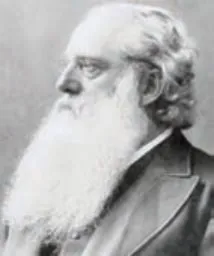 Fig 3.3 – Sir Henry Steel Olcott
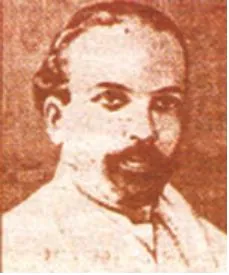 Fig 3.4 – Walisinghe Harischandra
Movements
1. Patriotism and nationalism – Anagarika Dharmapala (public preaching; Sinhala Bauddhaya, Mahabodhi), Piyadasa Sirisena (novels, Sinhala Jathiya), Walisinghe Harischandra, John de Silva (drama).
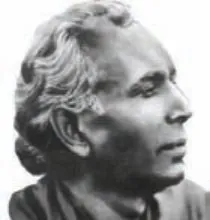 Fig 3.5 – Anagarika Dharmapala
2. Protection of Buddhist sites – Anuradhapura and Polonnaruwa ruins; scholars George Turner, T.W. Rhys Davids, H.C.P. Bell, Henry Parker; Harischandra's movement at Anuradhapura; Dharmapala at Buddha Gaya; Ruwanweliseya restoration c. 1870.
3. Temperance movement – Alcoholism had become a social problem; Dharmapala (preaching and papers), Piyadasa Sirisena (novel dialogues), John de Silva (drama Sinhala Parabhawa, "Sura Act").
3.3 Hindu Religious Renaissance
- Leader Arumuga Navalar (educated in a mission school; served a Methodist priest).
- Press at Vannarpannai (Jaffna); newspaper Udayabhanu; Tamil textbooks (3 volumes); translated Periya Puranam and Skanda Puranam.
- Vannarpannai Saiva Prakasa Vidyalaya (1849); later Saiva Paripalana Sabai and Hindu Education Society; Sivangala school (1872) → Jaffna Hindu College.
- Successors: Sir Ponnambalam Ramanathan (defended Buddhists during 1915 martial law) and Ponnambalam Arunachalam (founded Ceylon National Congress, 1919).
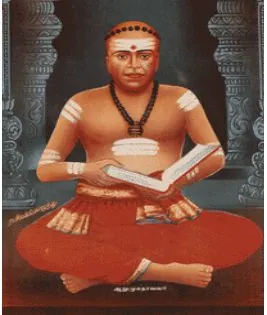 Fig 3.6 – Arumuga Navalar
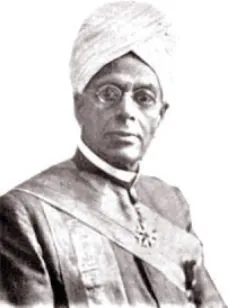 Fig 3.7 – Ponnambalam Ramanathan
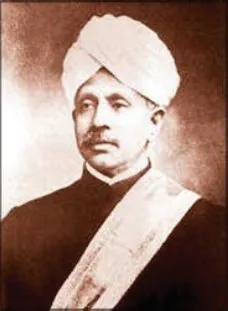 Fig 3.8 – Ponnambalam Arunachalam
3.4 Islamic Renaissance
- M.C. Siddi Lebbe (Egyptian-influenced, came 1883): emphasis on education in English and Arabic; Muslim Nesan (1882) newspaper; Zahira College, Colombo; Muslim Academic Club; reformed Madrasas.
- T.B. Jayah – principal of Zahira College, politician, founded schools for Muslims.
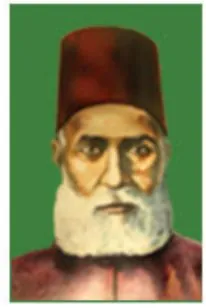 Fig 3.9 – M.C. Siddi Lebbe
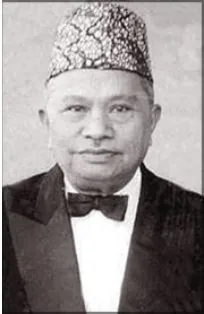 Fig 3.10 – T.B. Jayah
Important Facts
- 1850–1915 renaissance; 1915–1948 political agitation.
- Panadura debate 1873; Olcott 1880; Vidyodaya 1873; Vidyalankara 1875.
- Leaders: Gunananda, Sumangala, Dharmapala (Buddhist); Navalar (Hindu); Siddi Lebbe (Muslim).
Timeline
| Date | Event |
|---|---|
| 1804–1818 | Missionary groups arrive |
| 1849 | Navalar's Saiva Prakasa Vidyalaya |
| 1862 | Lankopakara press, Galle |
| 1865–1873 | Five Great Debates |
| 1873 | Vidyodaya; Panadura debate |
| 1875 | Vidyalankara |
| 1880 | Olcott's Parama Vignanartha movement |
| 1882/1883 | Muslim Nesan; Siddi Lebbe |
| 1919 | National Congress |
Exam focus
- Missionary activity and its effects.
- Contributions of Buddhist, Hindu and Muslim leaders.
- Role of Olcott.
- Temperance movement.