
100%
Textbook: Chapter 4 (printed pp. 51–64)
0. Introduction
British rule over the whole island lasted 133 years (1815–1948). The British introduced constitutional reforms from time to time; Sri Lankans pressed for more power until independence in 1948.
4.1 Colebrooke–Cameron Reforms (1833)
- After 1815 expenditure exceeded revenue; London did not want to subsidise colonies.
- W.M.G. Colebrooke (arrived 1829) investigated administration and finance; Charles Hay Cameron (arrived 1830) investigated the judicial system. Reforms introduced 1833.
Features
- Executive Council and Legislative Council established to limit the governor's power.
- Unified administration of Kandyan and low-country areas.
- Five provinces (see Map 4.1).
- Rajakariya (compulsory service) abolished.
- End of government trade monopolies.
Legislative Council (1833) – 15 members
| Type | Number |
|---|---|
| Official | 9 |
| Unofficial | 6 – Europeans 3; Sinhalese 1; Tamil 1; Burgher 1 |
- Governor nominated the 6 unofficials – communal (nationalist) representation – harmful later; council loyal to governor; officials in majority.
- Executive Council – colonial secretary, treasurer, auditor-general, surveyor-general, collector of customs; governor must consult it on finance but could overrule (reporting to Colonial Secretary).
Map 4.1 – Five provinces under the Colebrooke reforms — practise it on the interactive map.
European struggle
- European planters wanted infrastructure (roads, railways) and a larger elected unofficial share; methods: questions in council, petitions, newspaper articles, associations – Lanka Congress (1865, George Wall).
- Result: unofficial members raised to 8 (two added: Kandyan Sinhalese and Muslims). Sri Lankans learned from this.
4.2 Crewe–McCallum Reforms (1910)
Background – demands of the Sri Lankan middle class
- New Sri Lankan middle class by early 20th century; no political change for ~70 years.
- James Pieris petitioned the Colonial Secretary (Dec 1908); clubs followed (Low Country Products Association, Chilaw Club, Jaffna Club).
- Demands: more unofficials; end communal representation; territorial (provincial) elections; more power for the council. Governor Henry McCallum opposed, but Colonial Secretary Lord Crewe announced reforms (Nov 1910); operated from 1912.
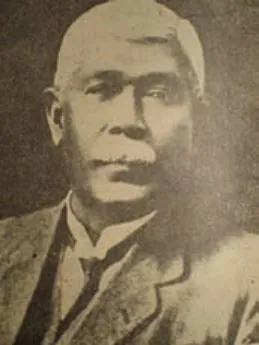 Fig 4.1 – James Pieris
1910 Legislative Council – 21 members
| Type | Number |
|---|---|
| Official | 11 |
| Unofficial | 10 – nominated 6 (communal); elected 4 (2 Europeans, 1 Burgher, 1 educated Ceylonese) |
- First election to the Council (limited franchise); Ponnambalam Ramanathan elected as educated Ceylonese representative (1912); officials still a majority.
Temperance movement 1912–1915
- Opposed new Excise Ordinance (1912) allowing new toddy taverns; middle class and renaissance activists united; network of temperance societies under a central council in Colombo; criticised the government.
- 1915 Sinhalese–Muslim riots (Kandy): government delayed action, imposed martial law, arrested temperance leaders and banned newspapers. Leaders who emerged: F.R. Senanayake, D.S. Senanayake, D.B. Jayatilaka.
Indian influence
- Indian National Congress (1885); leaders Surendranath Banerjee, Tilak, Gandhi, Nehru – Swaraj. Gandhi visited Sri Lanka in 1927. Ceylon leaders realised petitions were not enough.
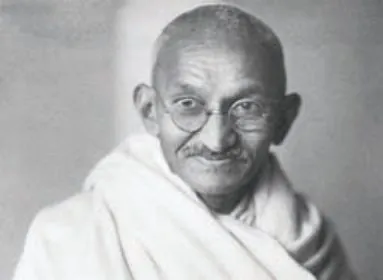 Fig 4.2 – Mahatma Gandhi
Ceylon National Congress (December 1919)
- Formed after the 1915 repression to unite small groups; first president: Ponnambalam Arunachalam; united Sinhalese, Tamils and Muslims.
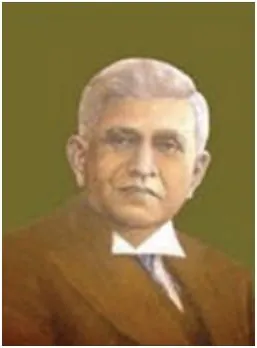 Fig 4.3 – D.B. Jayatilaka
Manning Reforms (1920)
| Type | Number |
|---|---|
| Legislative Council | 37 |
| Official | 14 |
| Unofficial | 23 – nominated 7; elected 16 (territorial) |
- First unofficial majority; territorial representation introduced; communal representation kept; governor's nominated 7 + 14 officials could outvote. Congress dissatisfied.
Manning–Devonshire Reforms (1924)
| Type | Number |
|---|---|
| Legislative Council | 49 |
| Official | 12 |
| Unofficial | 37 – nominated 8; elected 29 |
- Elected majority but governor still responsible – "power without responsibility" caused conflict. Governor Hugh Clifford asked for review → Donoughmore Commission.
4.3 Donoughmore Constitution (1931)
- Commission headed by Lord Donoughmore, visited 1927; constitution came into force 1931.
State Council – 61 members
| Group | Number |
|---|---|
| Elected (territorial) | 50 |
| Nominated by governor | 8 |
| Officers of State (Chief Secretary, Financial Secretary, Legal Secretary) | 3 |
- Speaker elected by council.
Universal franchise
- Before 1931 voters were only about 4 % (1924) and women excluded. The Commission recommended all men and women over 21 → universal franchise 1931 (first in Asia).
Executive committee system
- State Council divided into 7 committees; each chairman became a minister: Home Affairs, Agriculture & Lands, Local Administration, Health, Education, Communications & Works, Labour, Industry & Commerce → 7 ministers. Projects: agricultural colonies, free education.
- Governor's power reduced, but defence, finance, legal affairs stayed with the three Officers of State.
4.4 Protests for Independence
- From 1931: demands to curtail governor's powers and hand over officers' portfolios.
Suriyamal (Sunflower) Movement (1933)
- Lanka Sama Samaja Party leaders N.M. Perera and Colvin R. de Silva; countered Poppy Day (11 November, remembrance of WWI soldiers; funds sent to Britain). Sunflower sales for ex-servicemen and the poor – poppy = imperial loyalty/slavery; sunflower = independence.
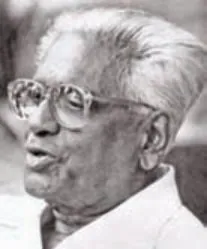 Fig 4.4 – Dr. Colvin R. de Silva
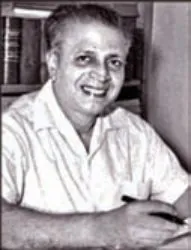 Fig 4.5 – Dr. N.M. Perera
Board of Ministers and National Congress
- WWII (1939): ministers supported Britain on condition of a post-war constitution; D.S. Senanayake on the defence committee; draft constitution by ministers (1944) – internal self-government; Congress made independence its goal.
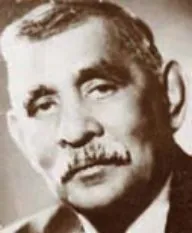 Fig 4.6 – D.S. Senanayake
Soulbury Constitution
- Soulbury Commission (1944); report 1945 recommended a parliamentary system; State Council approved in November 1945 (see Chapter 6).
Important Facts
- 1833 Colebrooke; 1910 Crewe–McCallum; 1920 Manning; 1924 Manning–Devonshire; 1931 Donoughmore; 1945 Soulbury.
- Universal franchise 1931; first Executive Committee system; first elected majority 1924.
Timeline
| Year | Event |
|---|---|
| 1829–30 | Colebrooke and Cameron arrive |
| 1833 | Colebrooke–Cameron reforms |
| 1865 | Lanka Congress |
| 1908 | Pieris petition |
| 1910/1912 | Crewe–McCallum |
| 1915 | Riots; martial law |
| 1919 | Ceylon National Congress |
| 1920 | Manning |
| 1924 | Manning–Devonshire |
| 1927 | Donoughmore visits; Gandhi visits |
| 1931 | Donoughmore constitution |
| 1933 | Suriyamal |
| 1944–45 | Soulbury |
Exam focus
- Compare the composition of each Legislative Council (tabulate).
- Features of the Donoughmore constitution.
- Role of the Ceylon National Congress and Suriyamal movement.