
Textbook: Chapter 7 (printed pp. 106–125)
0. Introduction
A revolution is a significant change in a field within a short time (industrial revolution, religious renaissance, and the political revolutions: American, French, Russian).
7.1 American Independence Struggle
Background
- Columbus landed in the Bahamas (1492); Amerigo Vespucci found the continent; a German geographer named it America. Columbus thought he had reached India, so natives were called "Indians"; northern natives = Red Indians.
- Colonised by Portugal, Spain, Holland, France, Britain. Reasons: religious freedom (Catholic–Protestant conflicts), prosperity through land and trade, encouragement of rulers.
- Portuguese and Spanish settled the south; British and French the north.
The Thirteen Colonies
Virginia (1607 – first), Massachusetts, New York, New Hampshire, Maryland, Connecticut, Rhode Island, Delaware, North Carolina, New Jersey, South Carolina, Pennsylvania, Georgia (1733 – last). Twelve were founded between 1607 and 1682.
- Founded by individuals, groups and companies with a British royal charter; each had a governor and an elected legislative council; wide self-government because of distance and Britain's wars.
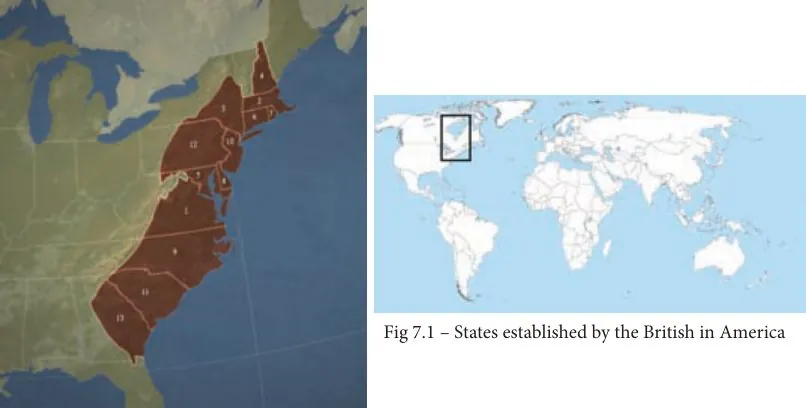 Fig 7.1 – The thirteen states established by the British in America
Why settlers needed Britain before 1763
- French threat from the north – Seven Years' War (1756–1763) ended French power.
- Red Indians – attacks reduced after France's defeat.
Causes of the revolution
- British mercantile policy: colonies could not make goods made in Britain; certain products (tobacco, sugar, cotton, beeswax, maize, copper) sold only to Britain; trade only via Britain.
- After 1763 Britain, burdened with war debts, asked colonies to share the cost. George Grenville tightened tax collection, naval patrols against smuggling. Acts (1764–65): Sugar Act, Currency Act, Stamp Act.
- Stamp Act (1765) – tax on all printed documents; hit traders, lawyers, printers; boycotts.
- Further duties 1767 (glass, lead, paper, tea); Quartering Act (housing and funding troops); dissolving colonial assemblies.
- Slogan: "No taxation without representation" (text: "no member, no tax").
Events
- Stamp Act repealed, but Britain declared its right to legislate for the colonies.
- 1767 Townshend duties; Boston Massacre (5 killed); all duties repealed except tea (1770).
- 1773 Tea Act – monopoly to one company; December 1773 Boston Tea Party – 342 chests of tea thrown into the sea; considered the start of the revolution.
- Britain closed Boston harbour and reformed Massachusetts' government.
- First Continental Congress (Philadelphia, 1774) – 12 colonies; denied Parliament's authority; boycott of British goods; arming citizens.
- 1775 Lexington – first armed clashes; Congress formed a Continental Army under George Washington.
- Declaration of Independence – 4 July 1776 (rights are inborn and governments exist to protect them).
- War: British won early; later failed (distance, unfamiliar land); France, then Spain and Holland aided America.
- Treaty of Paris, 1783 recognised independence; Constitution 1789; George Washington first president.
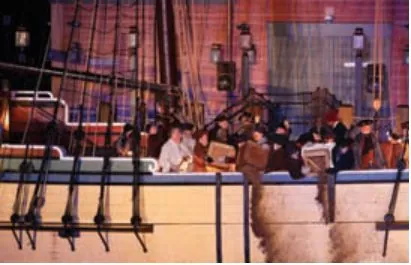 Fig 7.2 – The Boston Tea Party
Results
- Thirteen states united and won independence – example to other colonies; birth of the USA; enthusiasm for human rights; first written unified constitution.
7.2 French Revolution (1789)
France was prosperous in the 18th c. but suffered from weak, corrupt rule under Louis XVI.
Political causes
- Bourbon absolute monarchy; divine right; Louis XIV: "I am the state", lettres de cachet (arrest without trial); Bastille prison = symbol.
- Versailles palace – extravagance; king isolated; only aristocrats and priests had access; Queen Marie Antoinette meddled.
- Inefficient administration; intendants vs. nobles; Estates-General not summoned for 175 years.
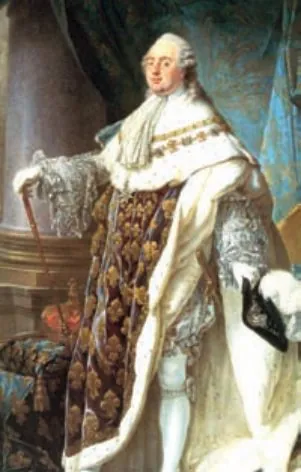 Fig 7.3 – Louis XVI
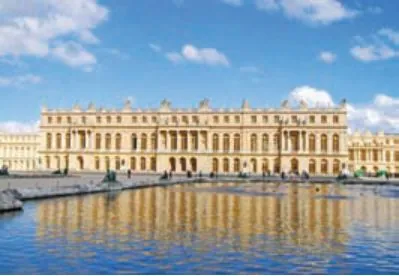 Fig 7.4 – The Palace of Versailles
 Fig 7.5 – Garden of the palace
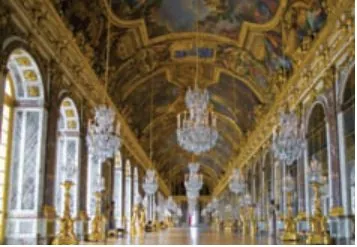 Fig 7.6 – Inside the palace
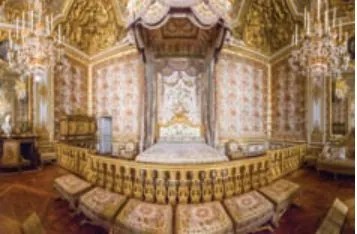 Fig 7.7 – A bedroom in the palace
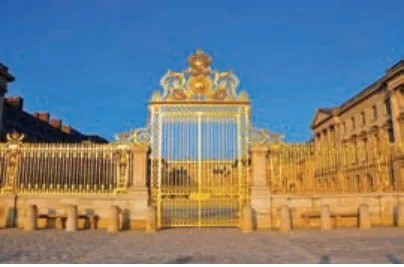 Fig 7.8 – Front gate of the Palace of Versailles
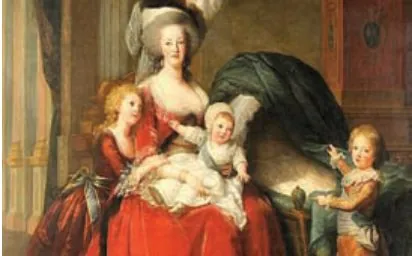 Fig 7.9 – Queen Marie Antoinette
Social causes – three estates
| Estate | Group | Privileges |
|---|---|---|
| First | Clergy | Tax-exempt; wealthy |
| Second | Aristocrats | Owned most land; hunting/fishing rights; feudal dues; mills/ovens monopolies; tax-exempt |
| Third | Commoners – middle class (educated, rich, no political recognition), peasants (92 % of population) and labourers | Paid all taxes |
- Idea emerged that status should depend on ability and wealth, not birth.
Economic causes
- Bankrupt treasury – royal extravagance, wars (Seven Years' War, American war support), inefficient taxation.
- Taxes ~60 % of income: Taille (land and houses), Gabelle (salt; 7 lb per adult), Capitation (poll tax, 1695).
- Internal customs barriers (a wine vessel from the south to Paris paid tax at 40 places, 2 weeks extra).
Philosophers
| Thinker | Work | Idea |
|---|---|---|
| Montesquieu | The Spirit of the Laws | Separation of powers: legislature, executive, judiciary |
| Voltaire | – | Freedom of expression; criticised monarchy and Church monopoly |
| Rousseau | The Social Contract | Popular sovereignty; people may remove bad rulers |
- Returning soldiers from America spread ideas of liberty.
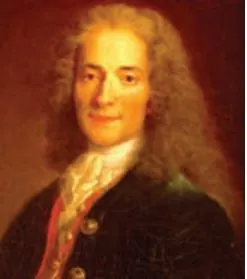 Fig 7.10 – Montesquieu
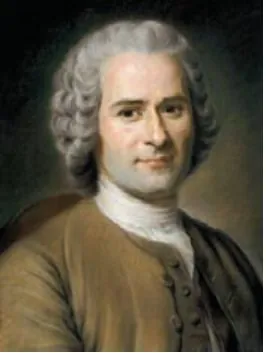 Fig 7.11 – Rousseau
The Revolution
- 1789: king summoned the Estates-General; nobles insisted on voting by estate; Third Estate formed the National Assembly and took the Tennis Court Oath (not to disband until a constitution was written).
- 14 July 1789 – storming of the Bastille – start of the revolution; spread across France; Lafayette led the National Guard; Louis XVI and Marie Antoinette were tried and executed.
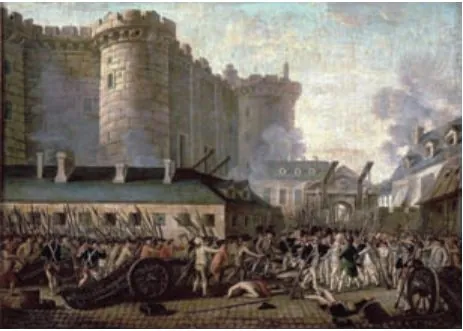 Fig 7.12 – Storming of the Bastille
Results
- Declaration of the Rights of Man and the Citizen (text: 1791 convention): rights are inborn; equality; right to take part in law-making; freedom of speech and religion; slogan Liberty, Equality, Fraternity.
- End of monarchy; relief for peasants and workers; political instability 1789–1799 → Napoleon Bonaparte seized power in 1799.
7.3 Russian Revolution (1917)
Causes
- Huge empire (1/6 of world's land); Tsar's autocracy, army, police, Church; feudal society; peasants like slaves; small working class from industry; weak middle class.
- Defeat by Japan (1904–05) → 1905 revolution (peasants, strikes, navy mutiny – failed); Tsar's limited reforms (Duma) unsatisfactory; Bolsheviks under Lenin worked secretly.
- World War I (1914) – heavy losses, forced conscription, factories turned to arms, food shortages, bread prices soared. Slogan: Peace, Land, Bread.
March 1917 revolution
- Began with a strike in a textile factory → general strike in three days; soldiers joined; Tsar abdicated; provisional government under Kerensky continued the war and sided with capitalists – failed peasants and soldiers.
October (November) 1917 revolution
- Bolsheviks (majority, communists; Lenin and Trotsky) vs Mensheviks (minority, reformists); Soviets; Lenin: "If we do not seize power now, history will not forgive us."
- Armed groups seized railways, banks, post offices; little resistance. Russian calendar = October; world calendar = November.
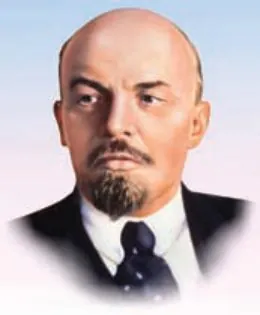 Fig 7.13 – V.I. Lenin
 Fig 7.14 – Leon Trotsky
Results
- Bolshevik (later Communist) government under Lenin; peace with Germany; private land abolished and distributed, later collective farms; factories, banks and transport nationalised under soviets; Tsarist officials replaced; state became Union of Soviet Socialist Republics (text: "United States of Soviet Russia").
- Socialism – equal rights to society's wealth, equal opportunity, equitable distribution; common over private interest; end of class distinctions.
- After WWII: two camps – capitalist (USA) and socialist (USSR) blocs; others non-aligned (Sri Lanka). Socialist elements in constitutions of China, East Germany, South Korea [as stated], Cuba.
Important Facts
- American: 1607 Virginia; 1765 Stamp Act; 1773 Tea Party; 4 July 1776; 1783 Paris; 1789 constitution.
- French: 14 July 1789; Tennis Court Oath; Napoleon 1799.
- Russian: March and October 1917; Lenin; Bolsheviks.
Timeline
| Date | Event |
|---|---|
| 1607 | Virginia founded |
| 1756–63 | Seven Years' War |
| 1765 | Stamp Act |
| Dec 1773 | Boston Tea Party |
| 1775 | Lexington |
| 4 Jul 1776 | Declaration of Independence |
| 1783 | Treaty of Paris |
| 14 Jul 1789 | Bastille |
| 1799 | Napoleon |
| 1905 | First Russian revolution |
| Mar / Oct 1917 | Russian revolutions |
Exam focus
- Causes and results of the three revolutions (compare in a table).
- Role of philosophers and slogans.