
Textbook: Chapter 8 (printed pp. 126–154)
0. Introduction
Two world wars occurred in the first half of the 20th century; both began in Europe and spread to other continents because powerful states took part. Afterwards leaders created conventions and organisations to prevent war.
8.1 World War I (1914–1918)
Map 8.1 – How World War I spread over the world — practise it on the interactive map.
Reasons
| # | Reason | Detail |
|---|---|---|
| 1 | Franco-German rivalry | ~350 German-speaking states unified by Otto von Bismarck (1870); war with France; Germany took Alsace and Lorraine → permanent enmity |
| 2 | Kaiser William II (from 1887) | Wanted a colonial empire against Bismarck's aims; Germany armed; Britain built up forces |
| 3 | Colonial competition | Britain largest empire; also Belgium, France, Portugal, Spain, Holland; industrial Germany needed markets and was viewed as a challenger |
| 4 | Arms race and nationalism | Germany, Britain, France, Russia; German and Italian unification fostered aggressive nationalism |
| 5 | Bismarck's isolation of France → two camps | Central Powers – Germany, Austria (Austria–Hungary), Italy; Allies – Britain, France, Russia |
| 6 | Sarajevo incident (28 June 1914) | Austrian heir Archduke Franz Ferdinand and his wife assassinated in Sarajevo (Bosnia) by Serbians; Austria declared war on Serbia on 28 July 1914 |
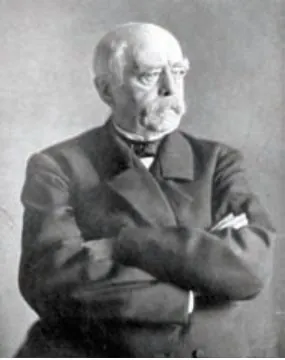 Fig 8.1 – Otto von Bismarck
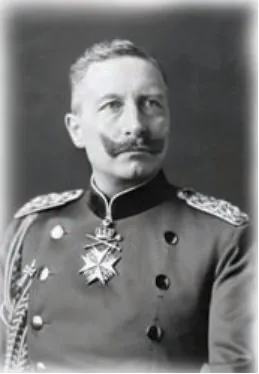 Fig 8.2 – German Emperor William II
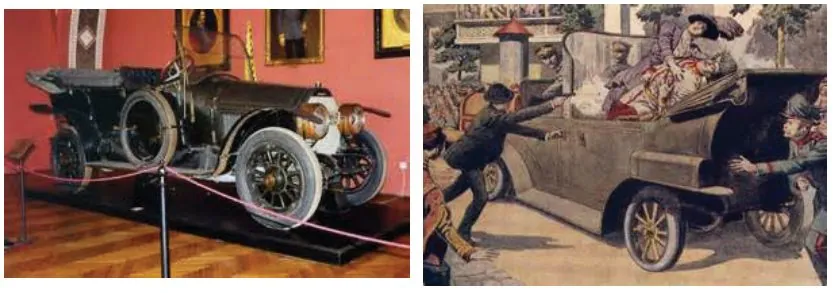 Fig 8.3 – Assassination of Franz Ferdinand and his wife in Sarajevo
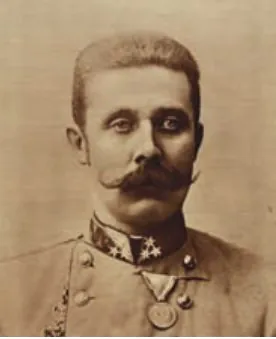 Fig 8.4 – Prince Franz Ferdinand
Spread of the war
- Serbia asked Russia for help; Germany declared war on Russia (1 August 1914) and France; invaded Belgium; Britain declared war on Germany; colonies were drawn in. German submarines sank one in four British ships.
- Camps in the text: Allies – France, Britain, Russia, USA; Central Powers – Germany, Austria, Italy, Turkey, Bulgaria, Hungary (note: Italy later secretly joined the Allies and declared war on Germany).
- USA joined after the Lusitania was sunk by a German submarine; American food, 2 million soldiers and modern weapons helped defeat Germany. German navy mutiny; emperor abdicated; war ended 1918.
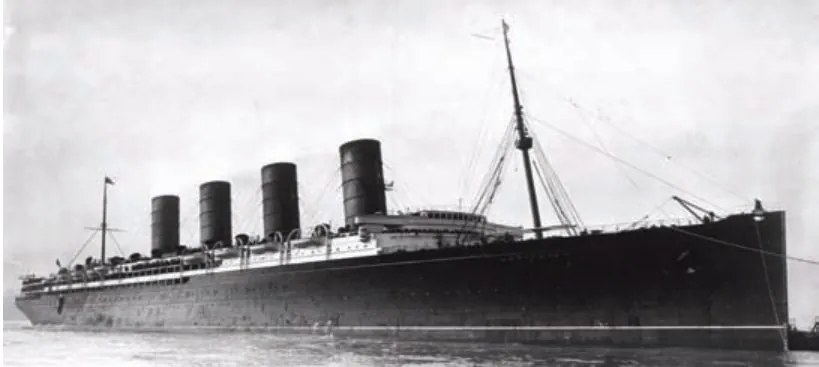 Fig 8.5 – The ship Lusitania
Results
- Victory of the Allies; heavy loss of life; Paris Peace Conference (January 1919) – Woodrow Wilson (USA), Lloyd George (Britain), Clemenceau (France), Orlando (Italy).
- Treaty of Versailles with Germany: heavy reparations; limits on army and arms; Alsace-Lorraine returned to France; colonies divided; empires (German, Austro-Hungarian, Ottoman) collapsed; new states (Finland, Poland, Czechoslovakia); economic collapse in Europe; USA and Britain became powerful.
8.2 League of Nations
- Proposed by Woodrow Wilson at the 1919 Paris talks; established 10 January 1920 with 42 members.
- Aims: settle disputes peacefully; prevent future wars; promote understanding; protect small states; world peace.
- Successes (~20 years): prevented wars (Sweden–Finland, Germany–Poland, Greece–Bulgaria, Iran–Turkey); refugee rehabilitation; supervised mandates; reduced slavery and drug trade.
- Failures: USA never joined (Senate refused); Russia excluded; no military force or enforcement power; disunity among powers; ignored Germany's withdrawal; weak action against Italy's invasion of Abyssinia and Japan's invasion of Manchuria → World War II.
8.3 World War II (September 1939 – August 1945)
Causes
- Hitler's rise (Germany): Weimar Republic failed; reparations → inflation, unemployment, 1929 depression. Adolf Hitler (Austrian; wrote Mein Kampf in prison) – Chancellor 1933 (National Socialist Party); after Hindenburg died he took the presidency; Reichstag fire blamed on communists; abolished other parties; Gestapo and SS; propaganda under Goebbels; Nazism – Aryan superiority, anti-Jewish, party dictatorship. Withdrew from the League (1934). Annexed Austria (1938), Sudetenland and Czechoslovakia; invaded Poland → war.
- Concentration camps: Auschwitz, Bergen-Belsen, Belzec, Sobibor.
- Mussolini (Italy): disappointed by peace settlement; Fascist Party 1922; Black Shirts; invaded Abyssinia (Ethiopia) 1936; joined Hitler.
- Japan: needed raw materials and markets; invaded Manchuria (1934 in the text; 1931 historically), left the League, took Chinese cities.
- Weakness of the League of Nations.
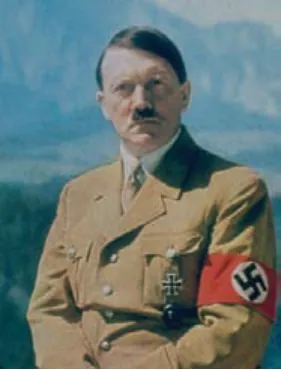 Fig 8.6 – Adolf Hitler
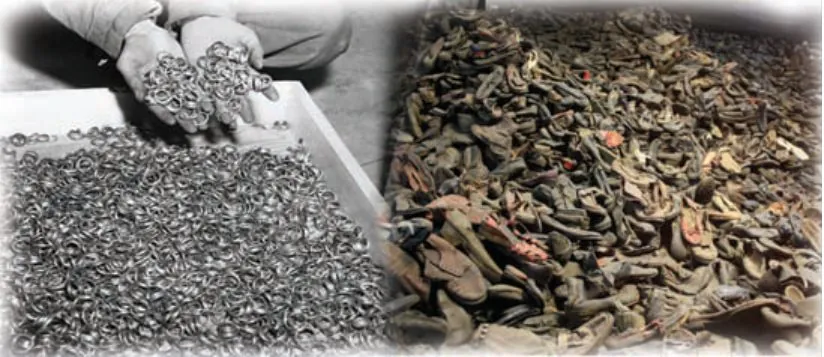 Fig 8.7 – Rings and shoes of people murdered in a Nazi concentration camp
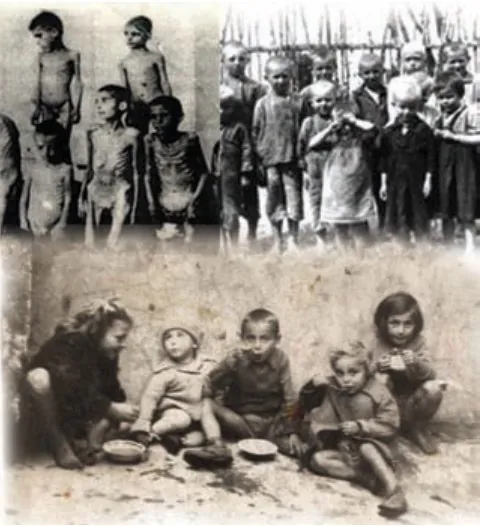 Fig 8.8 – Child prisoners in a Nazi camp
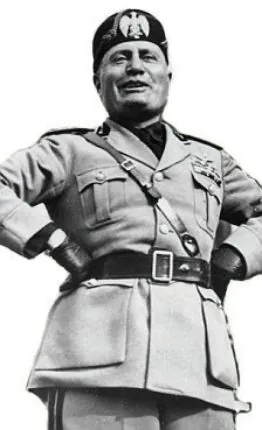 Fig 8.9 – Benito Mussolini
Map 8.2 – Participants of World War II — practise it on the interactive map.
Sides
- Allies: Britain, France, USA, Soviet Russia (and others). Axis (Berlin–Rome–Tokyo, 1937): Germany, Italy, Japan.
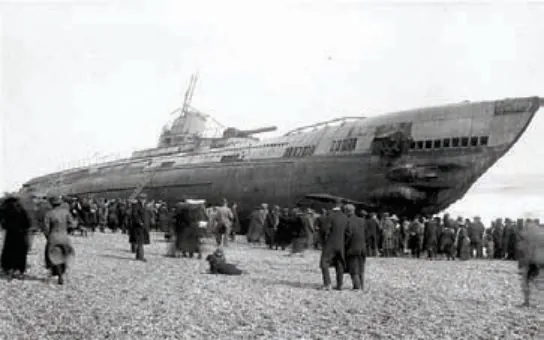 Fig 8.10 – German military submarine
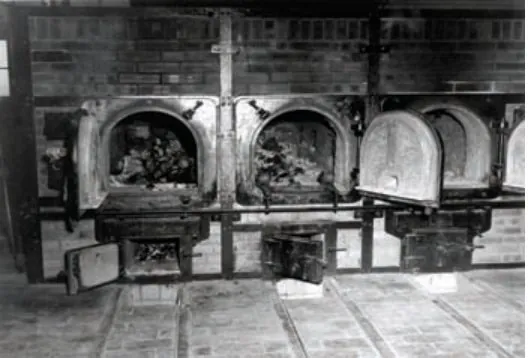 Fig 8.11 – Gas ovens used to murder Jews and prisoners
Course
- 1 September 1939 – Germany invaded Poland (defeated in 4 weeks); Britain and France declared war.
- Germany took Norway, Denmark, Holland, Belgium; France (June 1940, Paris captured); Italy joined.
- Churchill united Britain and its Commonwealth; Battle of Britain (14 Sept 1940) – Germany lost ~56 aircraft; Hitler gave up the invasion.
- Pearl Harbor – Japan bombed the US fleet (text: 7 November 1941; the date is 7 December 1941) → Franklin Roosevelt declared war; Germany and Italy declared war on the USA → world war.
- Germany attacked Russia (like Napoleon, 125 years earlier); Russian winter, hunger, disease destroyed German forces.
- Germany surrendered unconditionally in May 1945; Hitler committed suicide.
- Japan conquered Singapore, Malaya, Burma, Hong Kong, Borneo, Java, Sumatra, Philippines by 1942; bombed Colombo (5 April 1942) and Trincomalee (7 April 1942); British garrisoned Ceylon but no battle.
- Atomic bombs: Hiroshima 6 August 1945; Nagasaki 9 August 1945 – more than 100 000 dead; Emperor Hirohito surrendered unconditionally.
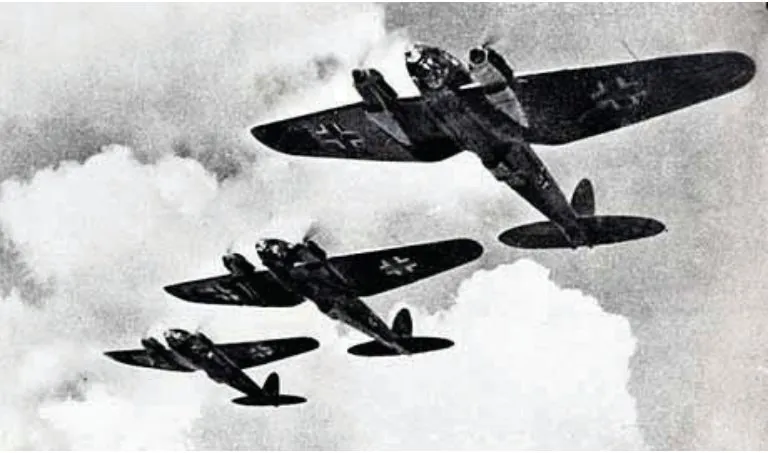 Fig 8.12 – British fighter aircraft
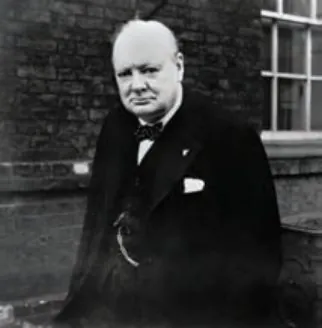 Fig 8.13 – Winston Churchill
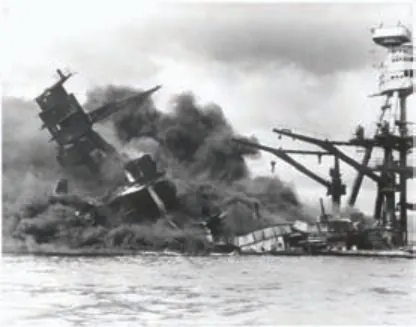 Fig 8.14 – The attack on Pearl Harbor
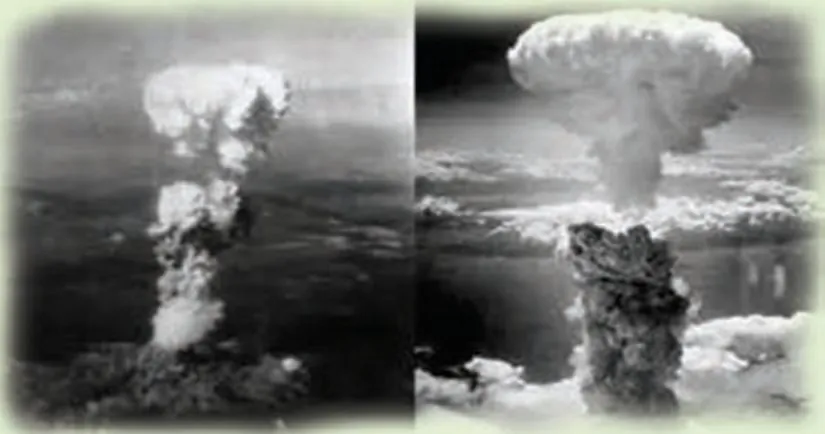 Fig 8.15 – Atomic bomb on Hiroshima
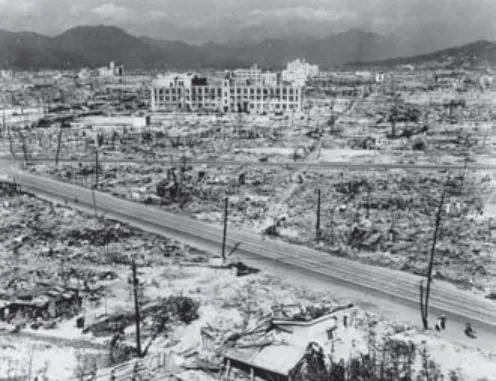 Fig 8.16 – Destruction of Hiroshima
Results
- Axis defeated; over 50 million dead; Holocaust (millions of Jews); atomic bombs' lasting effects; Britain and France lost world leadership → independence of Sri Lanka, India, Indo-China; Marshall Plan (US aid to Europe; text: "John Martial" – US Secretary of State George Marshall); USA and USSR superpowers → two camps: capitalist and socialist.
- Cold War ("weaponless war") ~4 decades: spies, organisations, aid.
- Non-Aligned Movement (1961) – leaders Nehru, Tito, Nasser.
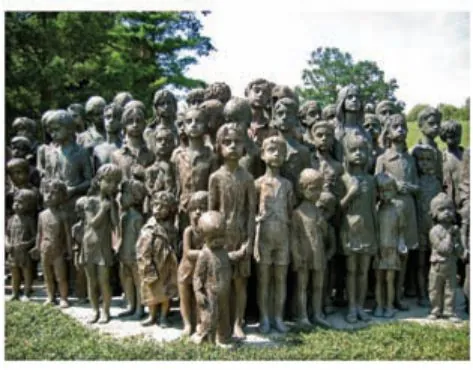 Fig 8.17 – Memorial to children killed in a village destroyed by Hitler's forces
8.4 United Nations Organization (UN)
- Atlantic Charter (Churchill and Roosevelt, August 1941); 26 nations signed the Declaration of the United Nations (Washington, January 1942); Moscow conference (Oct 1943); Tehran (Dec 1943) – Roosevelt, Churchill, Stalin; San Francisco conference (June 1945) – 50 countries + Poland = 51 founding members; UN officially started 24 October 1945 (UN Day).
- Aims: international peace and security; friendship among nations; cooperation on human rights and independence.
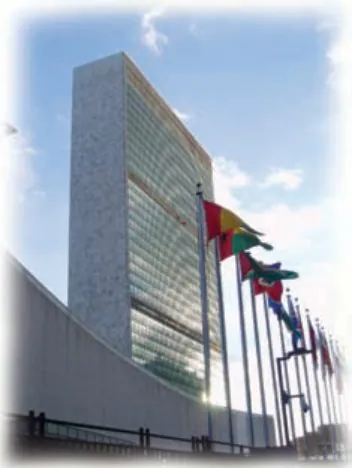 Fig 8.18 – United Nations headquarters, New York
 Fig 8.19 – Official logo of the United Nations
Six main organs
| Organ | Details |
|---|---|
| General Assembly | All 193 members; one vote each; meets every September; discusses peace, approves budget, appoints Secretary-General (on Security Council's recommendation), elects ICJ judges, admits members |
| Security Council | 15 members – 5 permanent (USA, USSR/Russia, UK, France, China) with veto + 10 elected for 2 years; handles threats to peace; sanctions; military action |
| Economic and Social Council (ECOSOC) | 54 members, 3-year terms; agencies: ILO, FAO, UNESCO, IMF, WHO, UNICEF |
| Trusteeship Council | Administered 11 trust territories; all independent by 1994; now inactive |
| International Court of Justice | The Hague (Netherlands); legal advice and settling disputes |
| Secretariat | New York; Secretary-General appointed for 5 years; about 9000 staff |
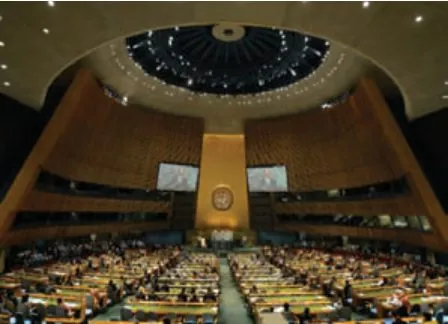 Fig 8.20 – General Assembly hall
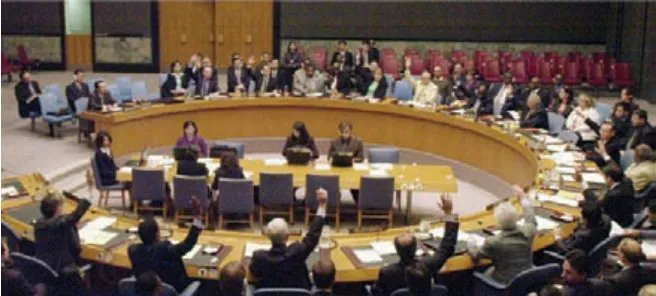 Fig 8.21 – Security Council voting
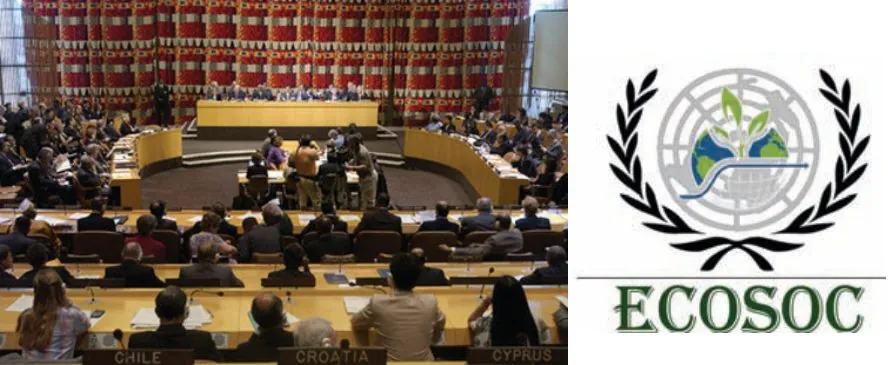 Fig 8.22 – Meeting of the Economic and Social Council
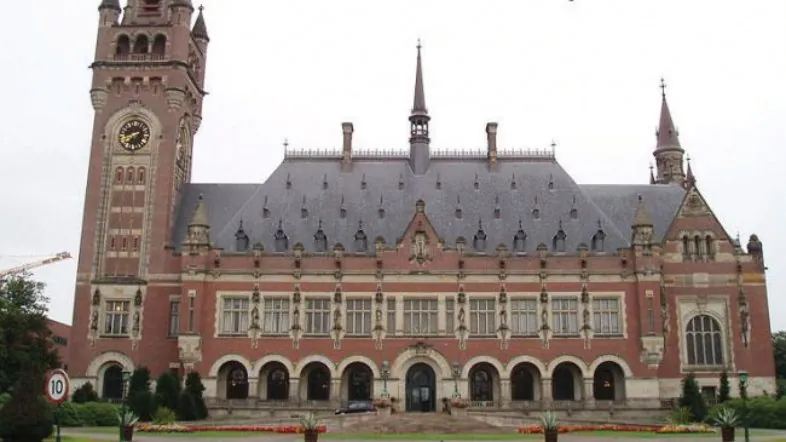 Fig 8.23 – International Court of Justice, The Hague
UN peace efforts
- Atomic Energy Commission (first step).
- Suez conflict – Nasser nationalised the Canal; Israel, Britain and France attacked; UN settled.
- Gulf conflict – Iraq invaded Kuwait (oil dispute); UN mediated.
- Cuban Missile Crisis – Soviet missiles in Cuba, US blockade and missiles in Turkey; settled by the UN Secretary-General.
- Tools today: economic sanctions; limiting nuclear weapons (commissions to North Korea and Iraq); peacekeeping forces.
Important Facts
- WWI: 1914–1918; WWII: 1939–1945.
- League of Nations 1920 (42 members); UN 24 October 1945 (51 members); Security Council veto.
- Hiroshima 6 Aug, Nagasaki 9 Aug 1945.
Timeline
| Date | Event |
|---|---|
| 1870 | Franco-Prussian War; German unification |
| 28 Jun 1914 | Sarajevo assassination |
| 28 Jul 1914 | Austria declares war on Serbia |
| 1 Aug 1914 | Germany declares war on Russia |
| 1918 | End of WWI |
| Jan 1919 | Paris Peace Conference; Versailles |
| 10 Jan 1920 | League of Nations |
| 1922 | Mussolini |
| 1933 | Hitler chancellor |
| 1 Sep 1939 | Invasion of Poland |
| Aug 1941 | Atlantic Charter |
| Jan 1942 | Declaration of the UN |
| Apr 1942 | Colombo and Trincomalee bombed |
| May 1945 | Germany surrenders |
| 6/9 Aug 1945 | Hiroshima/Nagasaki |
| 24 Oct 1945 | UN founded |
| 1961 | Non-Aligned Movement |
Exam focus
- Causes and results of the two world wars.
- Why the League of Nations failed.
- Structure and functions of the UN; veto power.
- Mark WWI/WWII countries on a map.
Notes on textbook text
The textbook gives Pearl Harbor as "7 November 1941" and Japan's Manchuria invasion as "1934"; the standard dates are 7 December 1941 and 1931. The book's "Martial Plan" refers to the Marshall Plan, and the "Berlin–Rome–Tokyo" axis is dated 1937 in the text.